Alabaster, AL

Forestry Mulching in Alabaster, AL

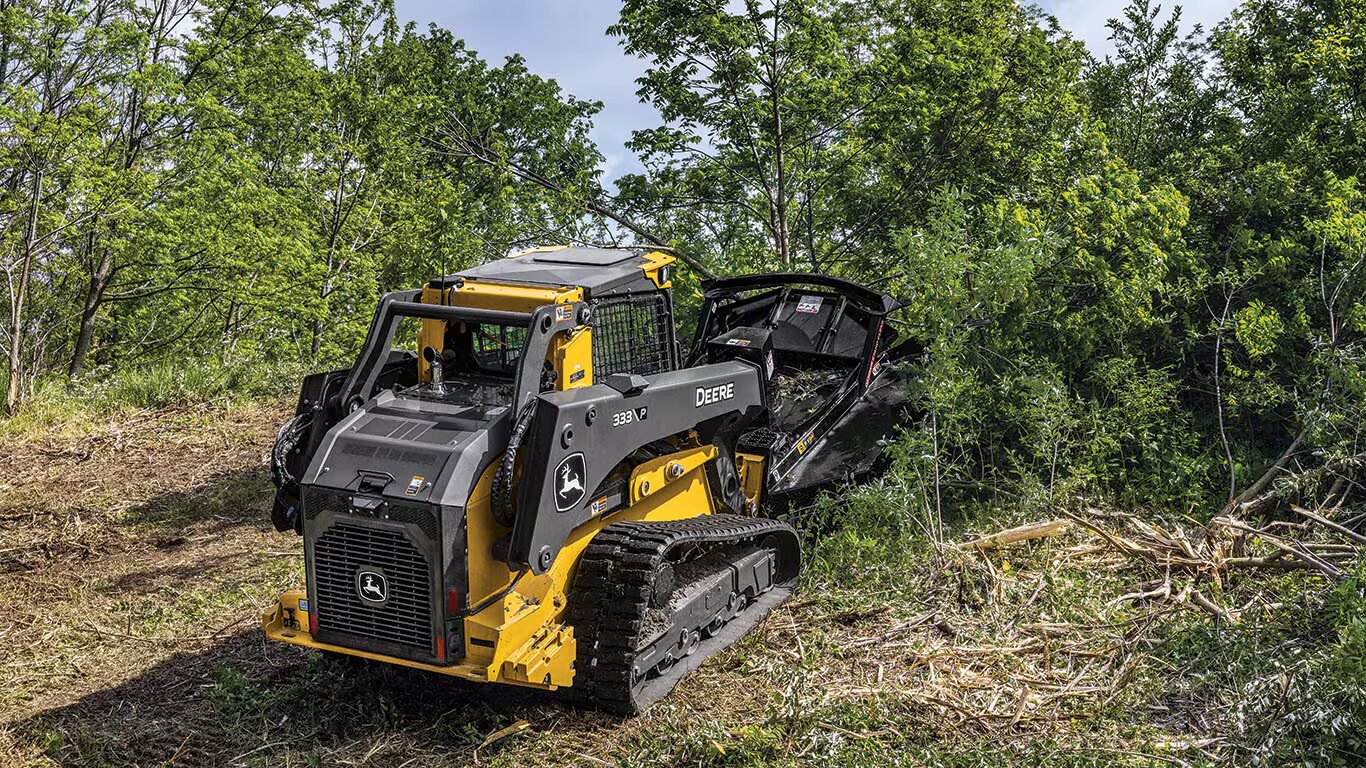
Forestry mulching is our most-requested service. A tracked machine with a high-speed mulching head grinds trees, brush, vines, and stumps into a clean 2–4 inch layer of chips right where they stand — no burning, no hauling, no piles of debris left behind. It's the fastest, cleanest way to reclaim overgrown property in Alabama. Serving Alabaster, AL and the surrounding Shelby County area.

Licensed & insured · Free quotes · Family-owned in Alabama

Forestry Mulching in Alabaster, AL by Archon Land Management

What's included

  • Selective clearing — keep the trees you want, remove the rest
  • Full-property mulching for lots, pastures, and acreage
  • Underbrush, privet, and vine removal in wooded areas
  • Fence-line, property-line, and right-of-way clearing
  • Hunting lanes, food plots, and shooting lanes
  • Mulched ground cover left in place — no burn piles, no dump fees

Best for

  • Overgrown residential lots and acreage
  • Wooded property where you want to keep mature trees
  • Pasture reclamation without bare dirt or erosion
  • Hunters cutting lanes, food plots, and shooting corridors
  • Landowners who want a clean job with no debris to deal with

How we work

We walk or aerial-review the property, mark what stays and what goes, and give you a written per-acre quote. Most jobs are complete in 1–2 days per acre depending on density, and the finished ground is walkable and usable the same afternoon.

We're based in the Birmingham metro and crews regularly run jobs in Alabaster and throughout Shelby County. Local response, local accountability.

Forestry Mulching in Alabama — the details that matter

What forestry mulching actually does to a piece of Alabama land

Forestry mulching is a single-pass, one-machine method for turning overgrown land into clean, usable property. A tracked carrier — usually a compact track loader or a purpose-built forestry mulcher — runs a hydraulic drum on the front with dozens of carbide teeth spinning at high speed. That drum eats trees, brush, saplings, vines, and stumps from the top down and leaves behind a 2–4 inch layer of wood chips right where the material stood.

Compared to traditional clearing, the difference on the ground is obvious. There's no burn pile smoking for three days. There's no line of dump trucks hauling debris to the county landfill. There's no bare dirt sitting exposed to the first thunderstorm. The mulch layer protects the soil, suppresses regrowth for a season or two, and slowly breaks down into organic matter that actually improves the ground. For most homeowners and land buyers across Jefferson, Shelby, Blount, St. Clair, Cullman, and Walker counties, mulching is the right first move on an overgrown lot — even if excavation or grading comes later.

Selective clearing: keeping the trees you want

The reason forestry mulching wins over traditional dozer clearing on so many Alabama properties is that it's selective by design. On a typical Birmingham-area lot there are mature oaks, hickories, or pines the owner wants to keep, and an understory of privet, sweetgum saplings, greenbrier, and Chinese tallow they want gone. A dozer takes it all. A mulcher takes only what you point out.

Before we start, we walk the property with the owner and flag or verbally mark the trees that stay. On larger tracts we drop pins on an aerial and confirm the plan. Then the mulcher works around those trees, clearing the understory and leaving the canopy intact. What you end up with is a park-like piece of land — mature trees still standing, ground you can actually walk on, and clear sight lines you didn't have before. It's the right approach for hunting property, recreational acreage, and any homesite where the mature trees are part of what made you buy the lot in the first place.

The equipment and what it can actually chew through

Our primary mulching setup is a compact track loader with a dedicated drum mulcher head, and it comfortably handles trees up to about 8 inches in diameter. Anything larger — a mature pine, a big sweetgum, a hardwood over 10 inches — we drop first with a chainsaw or an excavator with a thumb, then run the mulcher over the top and mulch the crown and smaller limbs in place. Stumps over about 4 inches get ground down to just below grade in a separate pass with a stump grinder or with the mulcher head lowered directly onto the cut.

Terrain matters too. Alabama red clay holds water, and a wheeled machine loses traction fast on wet clay or a sloped hillside. Tracks spread the weight, keep working through soft spots, and don't rut up the ground the way tires do. On steeper lots — the kind you see all through Vestavia, Mountain Brook, and around the Cahaba River — we work along the contour rather than straight up and down, which keeps the machine stable and leaves the ground less disturbed.

What forestry mulching costs per acre in Alabama

Pricing in Greater Birmingham breaks down roughly like this: light brush and overgrown pasture with saplings under 2 inches runs $1,500–$2,500 per acre. Mixed brush with small trees up to 6 inches runs $2,500–$3,500. Heavy woods with mature trees, thick vines, and 8-inch material throughout runs $3,500–$5,000+. The biggest cost drivers are stem density (how much material per acre), average tree size, terrain, and whether we're mulching the whole footprint or selectively working around trees you want to keep.

Every quote we write is itemized, in writing, and based on us physically walking the property or reviewing a current aerial with you. We don't quote sight-unseen because we don't want to show up on day one and tell you the price changed. Free quotes, no obligation, and we'll tell you honestly if a job is better handled by traditional clearing, excavation, or a mix — sometimes mulching isn't the cheapest answer and we'll say so.

When forestry mulching is the wrong tool

Mulching is powerful but it's not universal. If you need bare dirt for a foundation, a slab, or a driveway, mulching alone won't get you there — the chips have to be raked off and the stumps have to be fully extracted below grade, which is excavation work. If the plan is to seed pasture immediately and you need a smooth surface, the chip layer can interfere until it breaks down. And if the property has significant grading issues, drainage problems, or a build pad in the plan, you're going to need dirt work either way and the mulching becomes step one of a bigger project rather than the whole job.

We'll tell you up front which category your property falls into. A lot of our best jobs are mulching plus a follow-up — mulch first to see what you actually have, then decide whether it needs excavation, grading, or just a maintenance pass every couple of years to keep the regrowth in check. Either way, the mulching itself is usually the fastest and cleanest way to get eyes on the property.

Frequently asked questions

What is forestry mulching, exactly?

It's clearing by grinding. A hydraulic drum on the front of a tracked machine spins at high speed and chews trees, brush, and stumps from the top down, leaving a couple inches of chips on the ground. No burn pile, no dump trucks, no bare dirt.

How much does forestry mulching cost per acre in Alabama?

Light brush and overgrown pasture runs $1,500–$2,500 per acre. Mixed brush with small trees runs $2,500–$3,500. Heavy woods with mature trees can run $3,500–$5,000+. Every quote is written and itemized — no surprises.

How big of a tree can a forestry mulcher handle?

Our drum mulcher handles trees up to about 8 inches in diameter cleanly. Anything larger we drop first with a saw or grapple and then mulch the top, or grind the stump separately.

Do I need to do anything with the mulch afterward?

No — that's the beauty of it. The chips act as natural ground cover, suppress regrowth for a season or two, and slowly decompose into the soil. You can seed grass right over it if you want a pasture or lawn.

Will it kill the trees I want to keep?

No. Mulching is selective by design. We work around trees you want to protect and only grind what you point out. It's the right tool when you want a park-like look, not bare ground.

How is this different from land clearing or bush hogging?

Bush hogging handles grass and light brush and stops around wrist-thick material. Land clearing usually means pushing everything down with a dozer and hauling or burning the debris. Forestry mulching sits in the middle — it handles heavier material than a bush hog but leaves the ground cleaner than a dozer and doesn't require debris removal.

Ready to get started in Alabaster?

Free quotes, fast scheduling, clean job sites. Call us or send the property details.

Call (205) 547-9410Text Us