Greater Birmingham, AL

Brush Clearing in Greater Birmingham, AL

Archon clears thick brush, briars, saplings, and underbrush across Greater Birmingham, Alabama. Whether it's a lot you can't walk through, a fence line eaten up by growth, or a pasture going back to woods, we open it back up with the right machine for the job.

Licensed & insured · Free quotes · Family-owned in Alabama

Brush Clearing in Greater Birmingham, AL by Archon Land Management

What's included

  • Brush, briar, and underbrush removal
  • Fence-line and property-line clearing
  • Field and pasture brush hogging
  • Sapling and small tree removal (under 6")
  • Selective clearing — keep the trees you want, lose the rest
  • Debris piled, hauled, mulched, or burned on site

Best for

  • Overgrown residential lots
  • Fence lines and property boundaries
  • Pastures and fields reclaiming brush
  • Hunting lanes and shooting lanes
  • Pre-listing cleanup for properties going on the market

How we work

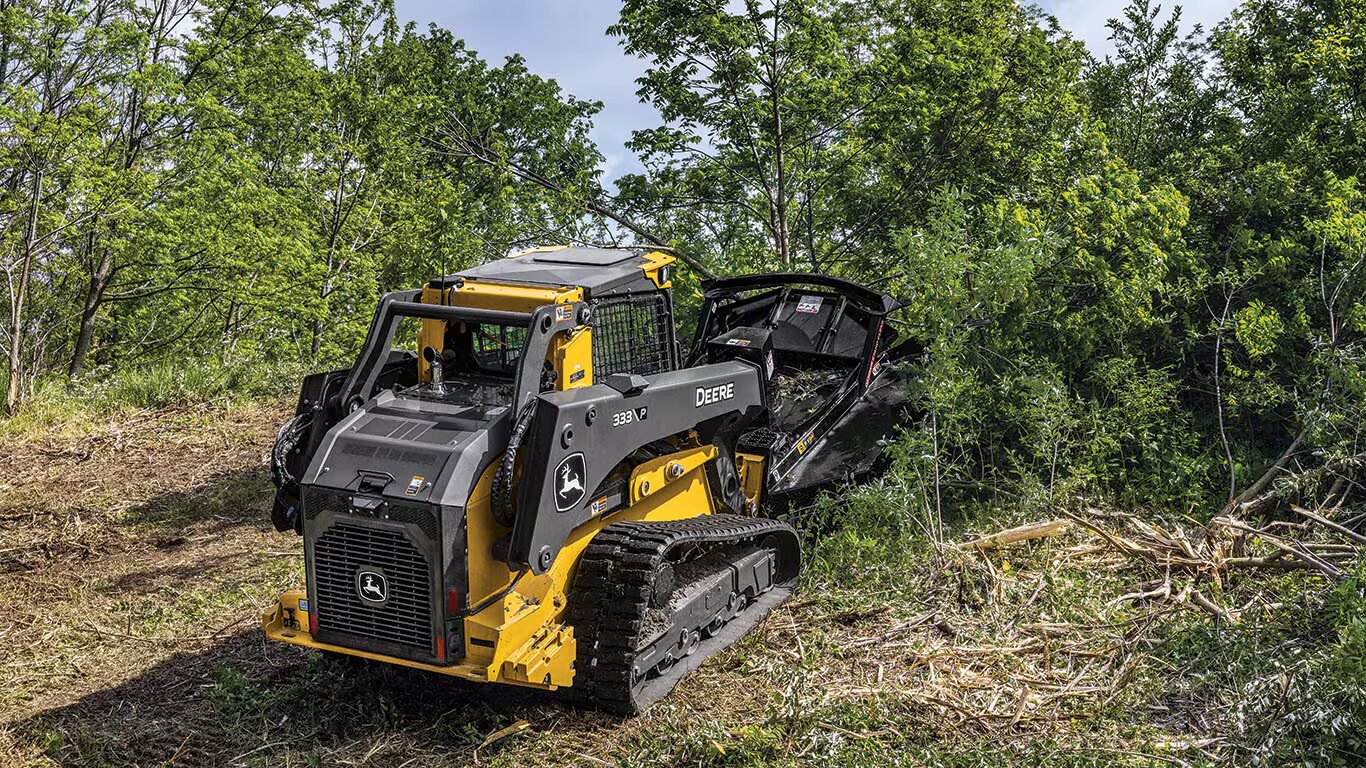
We walk the property with you, agree on what stays and what goes, and bring in the skid steer with the right attachment — grapple, mulcher, or brush cutter. Most brush jobs wrap in a day or two.

Brush Clearing in Alabama — the details that matter

What brush clearing really involves on a Birmingham property

Brush clearing is the in-between job — heavier than mowing, lighter than full land clearing. It's what you call when a lot has gone three or four years without attention, the privet and Chinese tallow have taken over, and you can't walk fifteen feet without hitting briars. Across Jefferson, Shelby, and St. Clair counties we see the same offenders: privet hedge gone feral, kudzu where it never used to be, sweetgum saplings the size of a wrist, and blackberry canes thick enough to stop a deer.

We go after all of it with the right machine — usually a skid steer with a brush cutter or drum mulcher attachment — and leave you a property you can actually walk, sight across, and use. The trees you want to keep stay standing. The mess goes.

Skid steer attachments and why the choice matters

A brush cutter (sometimes called a forestry cutter or fecon head) shreds material in place, leaving rough chunks an inch or two thick across the cleared area. It's fast and great for thick briars, vines, and saplings under about 4 inches. A drum mulcher does similar work but grinds finer and handles trees up to 8 inches — more expensive per hour but it leaves a cleaner finish.

A grapple bucket is for piling: when you want material gathered into burn piles or loaded into a dump truck rather than left on the ground. We pick the attachment based on what you want the property to look like when we leave. For overgrown lots being prepped for sale, we usually run the drum mulcher because realtors and buyers respond well to a clean, uniform finish. For fence-line clearing on a working farm, the brush cutter is faster and the rough chip is fine.

Fence-line, pasture, and property-line work

A surprising amount of our brush work is along property lines. Trees and brush along a fence line damage the fence over time, hide encroaching neighbors' growth, and make it impossible to spot when livestock are testing the boundary. We can clear a clean 6–10 foot buffer along the fence, leaving the fence itself intact and the line walkable.

For pastures going back to woods — common across Walker, Cullman, and Blount Counties — brush hogging once or twice a year used to keep the field open, but once saplings get above wrist-thick, a regular bush hog won't touch them. That's where we come in with the skid steer and a forestry head. One pass resets the field, and then you can maintain it with a tractor and bush hog going forward.

Keeping it from growing back

Brush always wants to come back — that's just Alabama. The question is how slowly. Mulching the cleared material as ground cover slows regrowth for a season because the chips smother seedlings. Seeding with pasture grass, clover, or native cover (depending on what you want the land to do) competes with the next round of brush. And once or twice a year of bush hogging keeps a cleared field open for years.

If you want it to stay essentially clear long-term and you're not running livestock or hay, broadcast herbicide treatments through your county Extension office or a licensed applicator can knock the regrowth back further. We don't apply chemicals ourselves — we focus on the mechanical clearing — but we'll point you to the right resources. Most brush clearing in the Birmingham metro runs $800–$2,500 per acre, and a maintenance pass every couple of years runs much less than the first big reset.

Frequently asked questions

What's the difference between brush clearing and land clearing?

Brush clearing tackles undergrowth, briars, saplings, and small trees while leaving the larger trees you want to keep. Land clearing takes everything down to bare ground — trees, stumps, and all. We do both.

How much does brush clearing cost?

Most brush clearing runs $800–$2,500 per acre depending on density and whether you want debris hauled off, mulched, or burned. We give every customer a free written quote.

Will it grow back?

Yes, eventually — that's nature. To keep it open longer, we can mulch the cleared material as ground cover, or you can follow up with seeding or routine bush hogging once or twice a year.

Ready to get started?

Free quotes, fast scheduling, clean job sites. Call us or send the property details.

Call (205) 547-9410Text Us